


How to Set Up a Sewing Space in a Small Room
A useful small sewing space needs a stable place to stitch, a supported place to cut, and a safe place to press. These can share…
Practical tools, thoughtful storage, and clear advice for sewing in the space you have.

Start with the space, choose the tools, and build a setup that is easy to use and easy to put away.
A useful small sewing space needs a stable place to stitch, a supported place to cut, and a safe place to press. These can share…
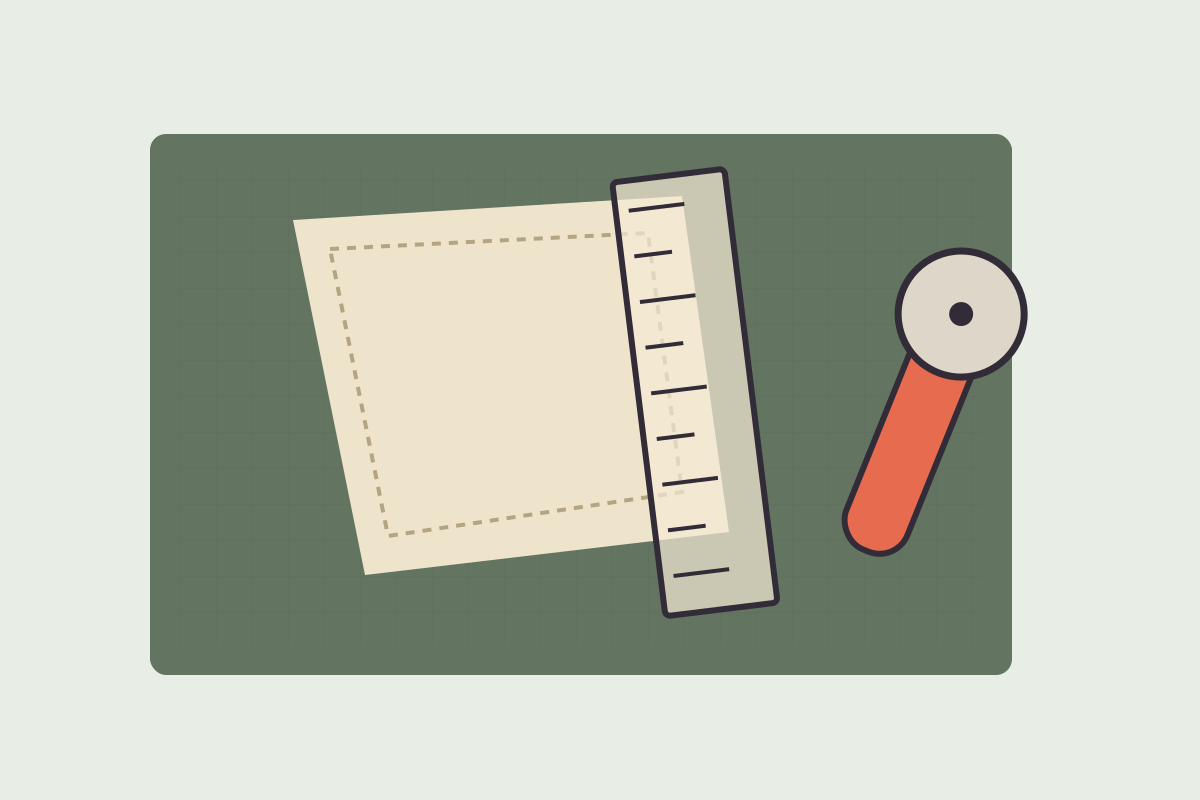
Choose a cutting mat that your table can support completely and your project can use comfortably. A larger mat is not automatically better in a…
A compact pressing station needs an appropriate iron, a suitable supported surface, and a safe place for the iron between operations. Specialist tools.
Organize sewing supplies around how you retrieve them: active-project materials, everyday tools, and less-used stock. Start by separating those groups.
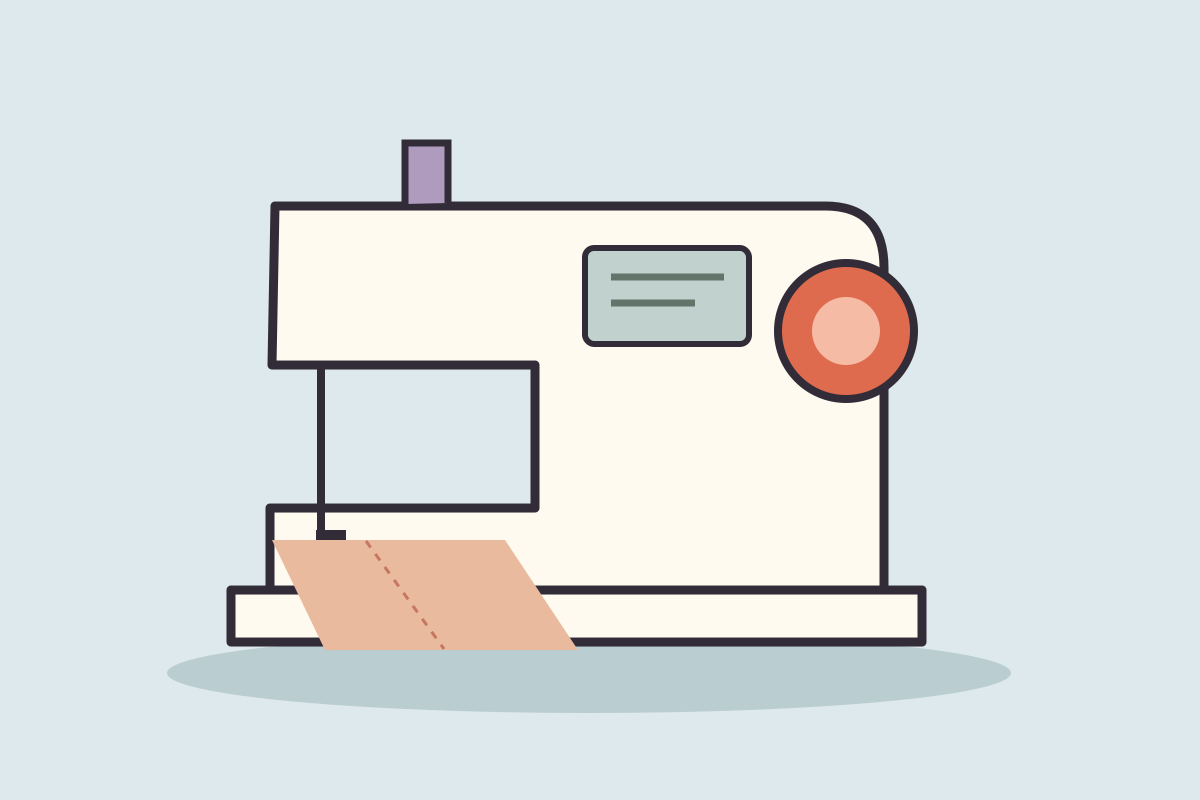
Choose a first sewing machine around the projects you plan to make, the controls you prefer, and the space available for fabric handling. The machine's.
A compact beginner quilting toolkit should cover the first pattern's cutting, piecing, holding, and pressing steps. Begin with suitable tools for those.
Learn which tools earn their place, what needs to fit together, and what can wait until you need it.
Map the working surface, chair movement, and storage before adding furniture.
Plan your layout →Match cutting, pressing, and machine supplies to the tasks you actually repeat.
Compare first machines →Keep the current project together so the next session begins with a clear next step.
Organize your supplies →